
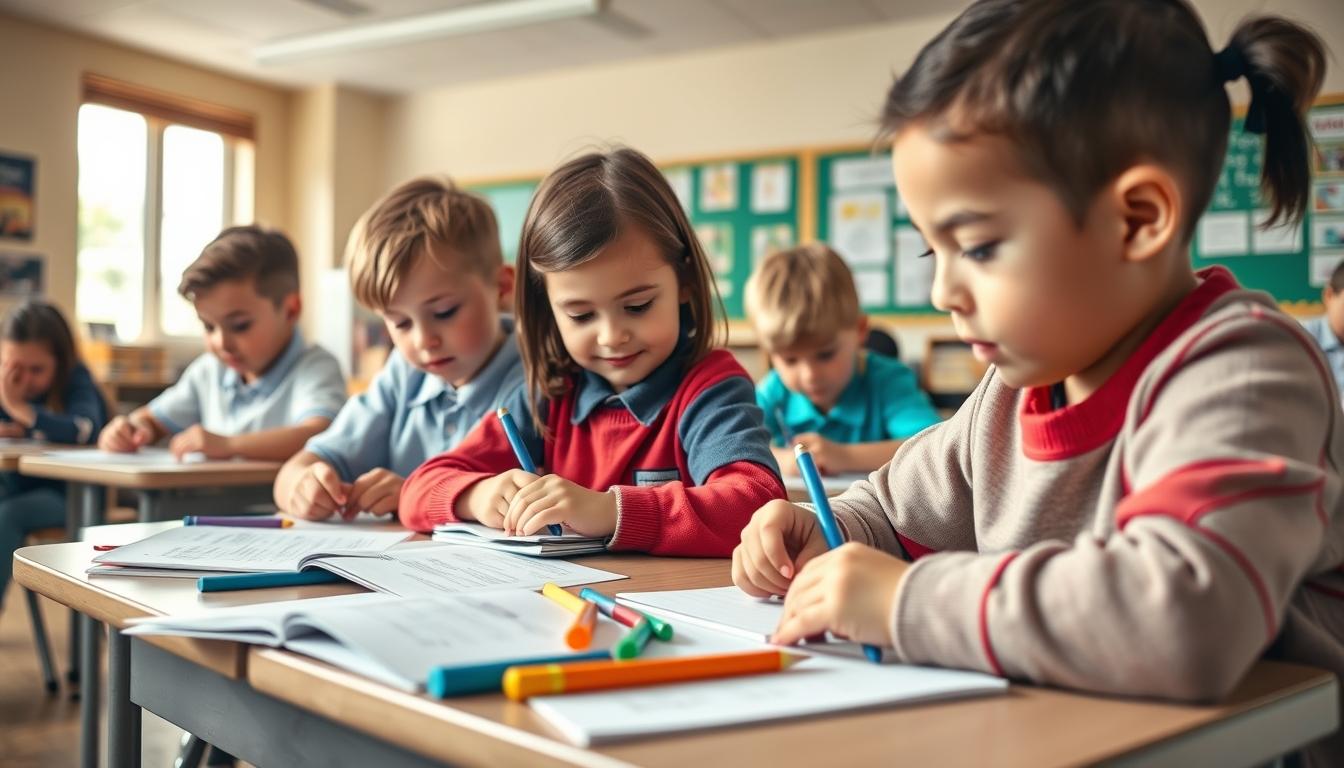
Why Skill Building Matters in Education
Developing practical abilities is a key aspect of schooling since success relies on more than just subject content. Students gain from skills like effective communication, managing time, critical analysis, teamwork, and problem-solving. These competencies boost academic performance and readiness for upcoming career chances.
Across Portugal, learners typically acquire skills via a mix of classroom lessons, self-directed study, hands-on projects, and real-world practice. This balanced approach fosters achievement and builds adaptability and confidence in varying contexts.
Developing skills enhances a student's capacity to use knowledge in real-life scenarios, making education more practical, meaningful, and enduring.
Lone Meadow Atlas Education InsightCore Skills That Support Student Success
Certain skills are broadly beneficial across nearly all subjects and settings. Clear communication helps convey ideas, and good organization simplifies handling tasks, deadlines, and study plans. Critical thinking aids analysis, judgment, and informed choices when facing new information.
Working with others is increasingly essential in modern education. Group tasks, discussions, and shared projects teach listening, contribution, and joint problem-solving, strengthening academic growth and personal development.
How Students Build Skills Over Time
Developing skills typically progresses gradually through ongoing practice, reflection, and steady application across varied learning settings. Projects, presentations, solo tasks, and formal feedback all contribute to growth over time.
Setting explicit objectives and tracking progress often increases awareness of strengths and areas for improvement. This self-awareness fuels motivation and encourages students to take more ownership of their growth.
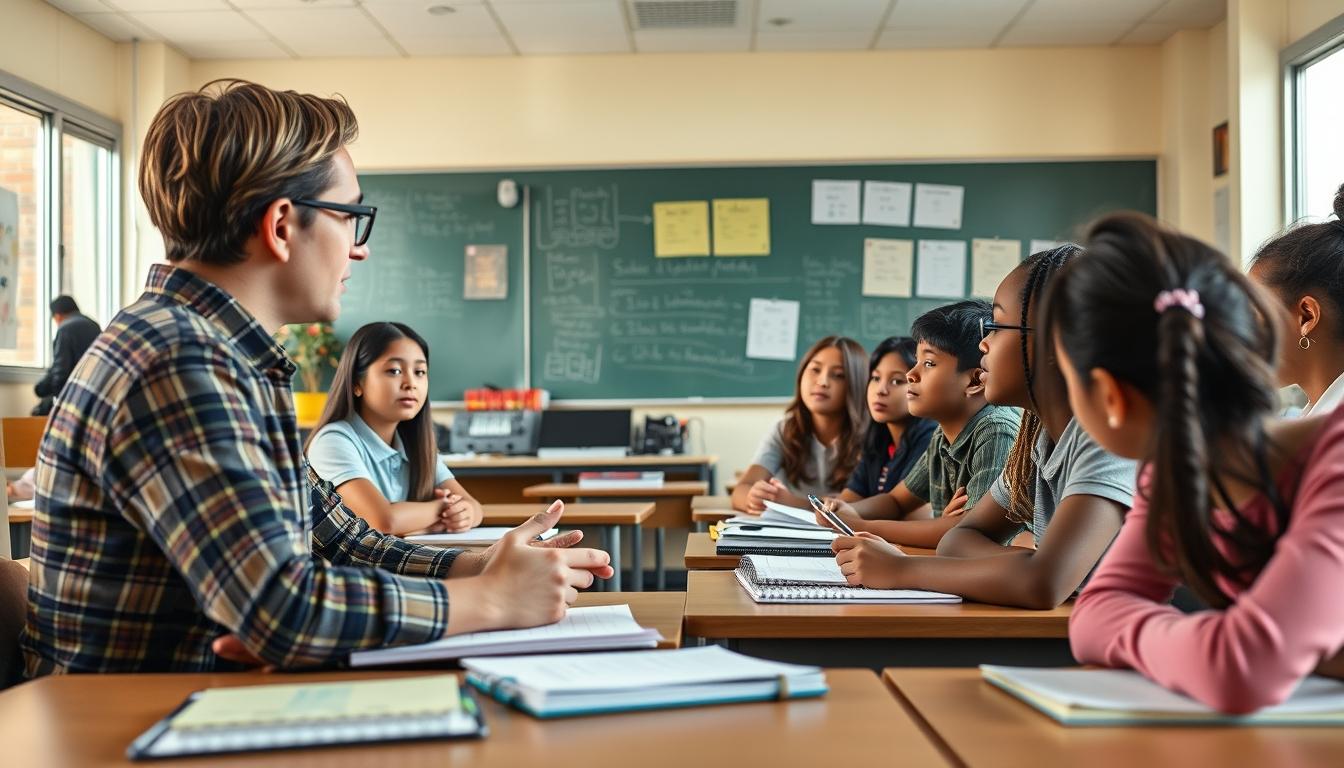
Practical Ways to Strengthen Skills
Learners can cultivate key abilities through everyday routines and focused study habits. Small, steady actions can yield significant, lasting benefits in academics and personal growth.
- Refine communication - Convey ideas clearly in writing, discussion, and class involvement.
- Enhance time management - Employ schedules, priorities, and achievable goals to stay organized.
- Nurture critical thinking - Question information, compare sources, and consider diverse perspectives.
- Collaborate effectively - Benefit from teamwork, joint tasks, and constructive feedback.
- Cultivate consistency - Regular effort helps turn beneficial actions into durable habits.
From Academic Skills to Lifelong Growth
Developing skills extends beyond a single course or stage. The capabilities gained during study support future learning, workplaces, and daily decisions. Well-developed skills help learners adapt, communicate clearly, and tackle challenges with confidence.
Hence, building capabilities is a core value of education. It links understanding with action and helps students mature into capable, prepared people.
Last updated: March 15, 2026